Best Lube for Sex: Water-Based, Silicone-Based and Oil-Based Options
Choosing the best lube for sex: how water-based, silicone-based and oil-based lubricants differ, which are safe with condoms and toys, and what helps with sensitive skin.
Updated: 2026-09-01 • Published: 2026-08-26 • 6 sources cited
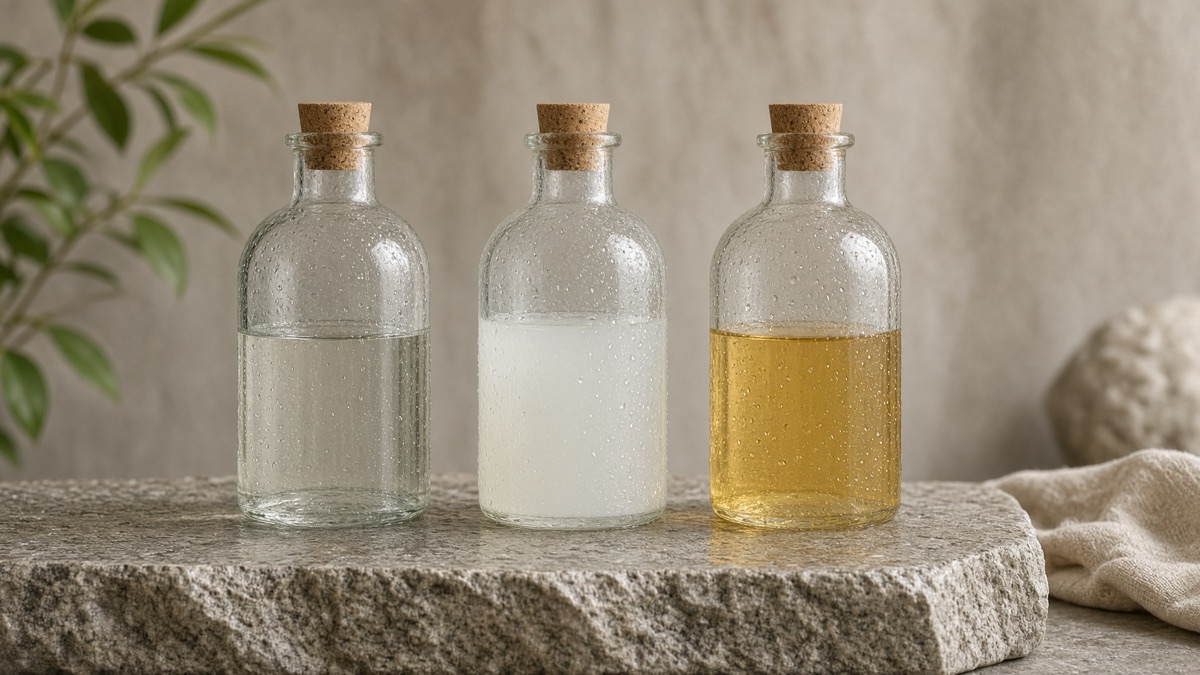
Needing lubricant does not mean a person is insufficiently aroused. Natural lubrication varies with hormones, menopause, breastfeeding, medication, stress, stimulation and individual physiology. Lubricant is simply a practical tool to reduce friction.
Compatibility matters more than marketing. A product described as “natural,” flavoured or warming is not automatically safer for sensitive genital tissue. If a lubricant causes burning, rash or swelling, stop using it and choose a simpler alternative.
Lubricant reduces friction during sexual activity and can make vaginal, anal, or other intimate contact more comfortable. Choosing the best lube for sex depends on what it will be used with: water-based, silicone-based, and oil-based lubricants differ in how long they last, how easily they wash away, and whether they are compatible with condoms or toys. Lube can improve comfort and reduce condom friction, but it is not contraception and does not prevent or treat an STI. ?cite?turn839850search1?
More lubrication is not a sign that anything is wrong or that arousal is inadequate. Natural lubrication varies with hormones, medications, menopause, postpartum changes, stress, hydration, and many other factors, so using commercial lubricant can simply be a practical comfort choice.
Water-based lubricant
Usually compatible with latex and other condoms and with many sex toys. It washes away easily but may dry faster and need reapplication.
Water-based lubricant is the most broadly compatible option. It can be used with latex and synthetic condoms and is generally compatible with most sex-toy materials. It is also easy to wash from skin and fabrics. The tradeoff is that water-based formulas may dry or become sticky during longer activity, so adding more lubricant or a small amount of water may be needed. ?cite?turn839850search0?turn839850search1?
Formulas vary considerably even within the water-based category. People prone to irritation may prefer simpler products without fragrance, warming or cooling additives, or other sensation-enhancing ingredients. A product marketed as “natural” is not automatically less irritating.
Silicone-based lubricant
Longer-lasting and useful when extended lubrication is needed. It is compatible with latex condoms but may affect some silicone sex toys, so check manufacturer instructions.
Silicone-based lubricant usually stays slippery longer than water-based lubricant and does not evaporate as quickly, which can make it useful for longer sessions or situations where frequent reapplication is inconvenient. Silicone lube is compatible with latex condoms and other common condom materials. ?cite?turn839850search1?
Compatibility with toys is a separate issue. Some manufacturers advise against using silicone lubricant with certain silicone toys because it may affect the toy's surface over time. Check the toy manufacturer's instructions rather than assuming that two products labeled “silicone” will always work together. Water-based lubricant is often the simpler choice when toy material is uncertain.
Oil-based lubricant
Oils can be long-lasting but weaken latex condoms. They may also be harder to wash away and can irritate some users. Check compatibility with non-latex barriers.
Oil-based lubricants can feel long-lasting, but they should not be used with latex or polyisoprene condoms because oil can weaken those materials and contribute to condom breakage. This includes not only products sold as oil-based lube but also petroleum jelly, baby oil, body oils, lotions, and many household oils. ?cite?turn839850search9?
Some other nonlatex condom materials may be compatible with oil, but the safest approach is to follow the specific condom package rather than generalizing across all “nonlatex” condoms. Oil-based products may also stain fabrics and can be more difficult to wash away, so durability is not automatically an advantage for every use. ?cite?turn839850search0?
Anal sex
The rectum does not naturally lubricate for penetration, so generous added lubricant is particularly important. Reapply when friction returns.
Lubricant is particularly important for anal sex because the anus does not produce its own lubrication. Generous lube can reduce friction, help condoms stay intact, and make penetration more comfortable. Water-based or silicone-based lubricant is appropriate with latex condoms; reapply whenever friction returns rather than continuing through dryness. ?cite?turn839850search7?
Go slowly and stop if there is significant pain. Numbing products are not a good way to make painful penetration tolerable because reduced sensation can make it harder to notice excessive pressure or injury. Bleeding that is more than minor spotting, persistent pain, or worsening rectal symptoms deserves medical evaluation.
Sensitive skin
Fragrances, warming/cooling agents and some preservatives can irritate sensitive tissue. A simple unscented product is often a better starting point when irritation is an issue.
For sensitive skin, a shorter ingredient list can be easier to troubleshoot if irritation occurs. Fragrance, flavors, warming or cooling agents, and other sensation-enhancing additives can bother some genital or rectal tissue even when the product is safe for many other users. Stop using a lubricant that consistently causes burning, itching, swelling, or rash.
Recurrent irritation is not always a lubricant allergy. Yeast infections, bacterial imbalance, STIs, dermatitis, hormonal dryness, and other conditions can create similar symptoms. Changing products repeatedly without evaluating ongoing symptoms can delay recognition of an underlying cause.
Lubricant cannot treat every pain problem
Lube helps friction but does not treat infection, pelvic-floor disorders, endometriosis or significant injury. Persistent pain needs assessment.
Lube can help when friction or dryness is contributing to discomfort, but persistent pain with sex should not automatically be explained by “not enough lubrication.” Pain can be associated with infection, pelvic-floor muscle tension, skin disorders, vulvar pain conditions, endometriosis, hormonal changes, vaginal atrophy, injury, or other medical causes.
Pain that repeatedly returns despite adequate lubrication is a reason to stop treating lubricant as the only solution. A clinician can help distinguish surface irritation from deeper pelvic pain, muscular pain, infection, or tissue changes and suggest an appropriate evaluation.
What you can do
- 1Check condom material. If using latex, avoid oil-based products. Follow manufacturer guidance for polyurethane, polyisoprene or other materials.
- 2Check toy instructions. Use the lubricant type recommended for the toy material and clean the toy as directed afterward.
- 3Apply more when friction returns. Do not treat dryness as something to tolerate. Reapply lubricant as needed, and stop if pain continues despite adequate lubrication.
- 4Choose simple formulations if you are sensitive. Unscented, unflavoured products with fewer irritating additives may be easier for sensitive skin. Persistent irritation should be assessed rather than covered with more product.
Choose lubricant by matching it to the condom and toy materials being used. When compatibility is uncertain, water-based lubricant is usually the most versatile starting point. With latex or polyisoprene condoms, stick with water-based or silicone-based formulas and avoid oil. ?cite?turn839850search1?
Apply lubricant before friction becomes uncomfortable and add more whenever needed. If a product causes repeated burning or irritation, wash it away gently, stop using it, and note the ingredients so a different formula can be chosen later. Lubricant should make sex more comfortable, not create a sensation that has to be endured.
Common Misconceptions & Clinical Facts
"Needing lube means someone is not turned on."
No. Lubrication and desire do not always match. Hormones, medication and individual physiology can affect natural moisture.
"Coconut oil is a safe natural choice with any condom."
Oil can weaken latex condoms. “Natural” does not mean universally compatible or non-irritating.
"More lubricant makes every painful problem safe."
Lubricant reduces friction but does not treat infection, pelvic-floor disorders, endometriosis, significant injury or other causes of pain.
Healthcare appointments for sexual health are confidential and routine. Typical clinical assessment involves:
When dryness, burning, or painful sex persists, a clinician may ask when symptoms occur, where the pain is located, whether it is superficial or deeper, what products are being used, and whether symptoms are linked to menstrual changes, pregnancy, postpartum changes, menopause, medications, or specific sexual activities. An examination or infection testing may be offered depending on the symptoms.
Clinicians may also consider skin conditions, pelvic-floor problems, vaginal or vulvar tissue changes, STIs, urinary symptoms, and other causes. The goal is not simply to recommend “more lube,” but to identify why discomfort is occurring when lubrication alone has not solved it.
- Detailed health history review discussing symptom onset, partner history, and medications.
- Appropriate non-invasive diagnostic evaluation (e.g. NAAT urine/swab testing, blood panels, or gentle visual exam).
- Personalised, collaborative discussion of treatment options, lifestyle modifications, and follow-up intervals.
Practical context and next steps
A useful way to apply this sexual lubricants information is to separate general education from the details that would change an individual decision. The sections on water-based lubricant and silicone-based lubricant explain the core ideas, while your own health history, partner context and local services may affect the next step.
If the topic leads to a healthcare appointment, write down what you are noticing, when it started, what has changed and any relevant medicines, contraception or recent exposures. You do not need a diagnosis before asking for help. Clear observations are often more useful than trying to fit yourself into a label found online.
If a partner is involved, use the information to support communication rather than pressure. Share what you know, what remains uncertain and what you need in order to feel comfortable. Related pages such as Condoms, Vaginal Dryness, Anal Sex Safety can provide more detail without turning one article into an answer to every possible question.
Questions such as “What lube is best with latex condoms?” and “Can I use coconut oil with latex?” are useful starting points, but online information has limits. Seek urgent care for severe allergic symptoms, major injury or heavy bleeding.
There is no single best lubricant for every person or activity. Water-based lube is versatile and easy to clean, silicone-based lube lasts longer, and oil-based lube has important condom-material restrictions. The most useful comparison is therefore not which category is universally superior, but which product is compatible with the body, condom, toy, and activity involved.
Saliva may feel convenient but dries quickly and is not equivalent to a purpose-made lubricant. It can also carry oral microbes and sexually transmitted infections. A commercial body-safe lubricant gives more predictable friction reduction and clearer condom-compatibility information.
A decision checklist for this topic
Before acting on anything you read here, run through this short check.
Before acting on information about sexual lubricants, make a short personal checklist. What exactly are you trying to prevent, understand or improve? Is the issue new or longstanding? Are there symptoms, pain, bleeding, pregnancy possibility, recent exposures, medicines or health conditions that change the decision? Which parts of the page — especially Water-based lubricant, Silicone-based lubricant, Oil-based lubricant — apply directly to you, and which are only background information? This approach reduces the chance of taking one sentence out of context or assuming that a common possibility is automatically your diagnosis.
If you are still uncertain after reading, use the questions on this page to decide the next step rather than continuing to search indefinitely. Common starting questions include: What lube is best with latex condoms?; Can I use coconut oil with latex?; Can silicone lube damage silicone toys?. Write down the answer you already know and what remains unknown. Then use Condoms, Vaginal Dryness, Anal Sex Safety or an appropriate healthcare professional to fill the gap. Seeking care is especially important when the missing information depends on examination, a laboratory test, prescription treatment, pregnancy-specific advice or urgent timing.
When to get professional or urgent help
•Seek urgent care for severe allergic symptoms, major injury or heavy bleeding.
•Persistent irritation or pain should be medically assessed.
Safety note: If symptoms are severe, rapidly worsening or described above as urgent, use the appropriate local emergency or same-day healthcare service rather than waiting for an online answer.
Medical evaluation is appropriate when pain with sex is persistent, worsening, or accompanied by sores, unusual discharge, strong odor, painful urination, fever, pelvic pain, rectal pain, or unexplained bleeding. These symptoms may reflect something other than ordinary dryness or friction.
Seek urgent care for severe sudden pelvic or rectal pain, heavy bleeding, or signs of a serious allergic reaction such as rapidly increasing swelling or difficulty breathing. Otherwise, recurring irritation or dryness can be discussed at a routine sexual-health, gynecology, primary-care, or other appropriate clinical visit.
Questions & Clear Answers
Water-based or silicone-based products are standard choices.
Choose lubricant based on comfort and compatibility, not marketing claims. Water-based products are versatile, silicone-based products last longer and oils should be kept away from latex condoms. Lubricant can reduce friction, but persistent pain or irritation needs medical assessment rather than simply adding more product.
References & Sources
Openlywell articles are compiled with reference to published guidance from international public-health authorities, professional colleges and peer-reviewed literature.
- [1]CDC — External Condoms
- [2]NHS — Vaginal dryness
- [3]CDC - Preventing HIV with Condoms
- [4]CDC - External Condoms
- [5]NHS - Vaginal dryness
- [6]LAUNCH ARTICLE 23
Was this article helpful?
Your anonymous feedback helps our clinical and editorial team keep guides accurate and clear.
Related Guides & Further Reading
More in Safer SexHow to Put On a Condom: Correct Use, Protection and Common Mistakes
Condoms create a physical barrier that reduces pregnancy risk and exposure to many sexually transmitted infections. They work best when a new condom is used correctly from start to finish for each act and with lubricant that is compatible with the condom material.
PrEP vs PEP: The Difference, Who They Are For and Why Timing Matters
PrEP and PEP are medicines that prevent HIV in different situations. PrEP is used before possible exposure by HIV-negative people who may benefit from ongoing prevention. PEP is emergency medication after a possible exposure and must be started within 72 hours; sooner is better.
Can You Get an STI From Oral Sex? What Transmits and How to Reduce Risk
Oral sex can transmit several STIs, including gonorrhoea, syphilis, herpes and HPV. HIV risk from oral sex is much lower than from receptive anal or vaginal sex, but “lower HIV risk” does not mean “no sexual-health risk.”